South Korea has quietly become one of Asia's most rewarding first-time trips, and it is easy to see why: Seoul stacks Joseon-era palaces against glass towers, the subway runs like clockwork, and you are never far from a bowl of steaming food or a viewpoint over the mountains. The country is smaller than most people imagine — a fast KTX train links Seoul and Busan in roughly two and a half hours — so you can pair a buzzing capital, a coastal city and a volcanic island in a single week without feeling rushed. For Gujarati travellers who loved Japan's blend of order and tradition, Korea feels like a natural next step, and it is often a little lighter on the wallet. This guide walks you through the highlights, the practicalities and the honest trade-offs so your planning starts on the right foot.
Why South Korea belongs on your shortlist
Korea rewards curiosity. In one day you can bow through the changing-of-the-guard ceremony at a royal palace, rent a hanbok to wander the old alleys of Bukchon, then eat Korean barbecue until midnight in a district that never really sleeps. The scenery shifts fast too, from the granite peaks of Bukhansan on Seoul's doorstep to the tea fields and craters of the south. If you are still weighing destinations, it slots neatly alongside our Japan travel guide from India as a modern, safe, food-obsessed East Asian option — and it consistently ranks among the best international trips for Gujarati families thanks to its clean transport, theme parks and walkable cities.
Seoul: palaces, K-culture and late-night streets
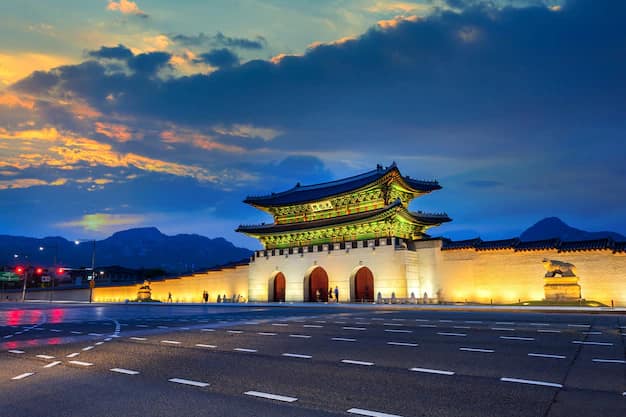
Give Seoul at least three full days. Gyeongbokgung and Changdeokgung are the headline palaces — arrive early, and note that wearing a hanbok gets you in free at several of them. Beyond the history, this is the beating heart of K-culture: browse the flagship stores and street performances of Hongdae, ride the cable car up to N Seoul Tower for sunset, and set aside an afternoon for the endless fashion and cosmetics lanes of Myeongdong and Dongdaemun. Foodies should graze through Gwangjang Market for bindaetteok and mandu, while families will find Lotte World and the Han River parks easy wins. Evenings belong to the barbecue joints and the buzzing student districts, where a hearty meal rarely dents the budget.
Jeju Island: Korea's volcanic escape
A one-hour flight south of Seoul, Jeju is the country's honeymoon and holiday island, built around the dormant Hallasan volcano at its centre. The landscape is pure lava-country drama: black-rock coastlines, waterfalls tumbling to the sea, and the sunrise crater of Seongsan Ilchulbong that is worth the early alarm. Rent a car or join a day tour to loop the coast, walk a stretch of the Olle trails, and watch the famous haenyeo free-diving grandmothers bring up shellfish by hand. Jeju is milder than the mainland in winter and lush in spring, making it a flexible add-on whether you visit in shoulder season or summer.
Busan and the KTX day beyond the capital
Busan, Korea's second city, trades Seoul's intensity for a relaxed seaside mood — and the high-speed KTX gets you there in around two and a half hours. Base yourself near Haeundae Beach, wander the colourful hillside lanes of Gamcheon Culture Village, and eat your way through Jagalchi, the country's largest fish market. The Beomeosa temple and the coastal Haedong Yonggungsa shrine add calm and photogenic contrast. Even on a shorter trip, Busan makes a rewarding two-night side-trip, and the train ride itself is a comfortable, scenic slice of everyday Korea.
Visas and the K-ETA: what to check before you book
Indian passport holders currently need a tourist visa for South Korea, and there is also a separate online travel authorisation called the K-ETA that applies to many nationalities — rules around eligibility, fees and temporary exemptions change frequently, so treat anything you read online as a starting point and verify current requirements before you pay for flights. Because South Korea is not part of any visa-free arrangement for Indians, plan your documents, bank statements and itinerary early. The simplest path is to let a specialist handle the file: our team can help with your South Korea visa application from Surat, confirm the latest K-ETA position, and flag anything the consulate is asking for that season.
Getting around, connectivity and money
Korea is a joy to navigate. Grab a T-money card at any convenience store and tap onto the metro, buses and even taxis across Seoul and Busan. Staying connected matters here because everything from maps to translation runs on your phone — sorting a data plan before you fly saves real hassle, and our eSIM guide for Indian travellers explains how to land already online. On the money side, cards are widely accepted but a cash cushion helps at markets and on Jeju; read our forex and money guide for international travel from India to decide how much to load onto a travel card versus carry as won. A quick note on numbers: prices shift with the exchange rate and season, so treat any figure you see as a range and confirm current rates near your travel dates.
Food, and eating vegetarian or Jain in Korea
Korean food is a highlight, but pure-vegetarian and Jain travellers should plan ahead, because fish sauce, anchovy stock and seafood broths hide in many everyday dishes. Temple-cuisine restaurants, Buddhist eateries, bibimbap ordered without egg or meat, and the growing number of vegan cafes in Seoul make it very manageable with a little homework and a few translation cards. Carrying some ready-to-eat Indian staples for the first day is a sensible backup, and our roundup of Jain and vegetarian-friendly destinations abroad has practical phrases and habits that travel well to Korea. Do try the safe crowd-pleasers too — kimbap, japchae, hotteok and honey-butter snacks are easy wins.
Best time to visit and rough budget guidance
Spring (late March to May) brings cherry blossoms and mild days, while autumn (September to November) delivers crisp weather and fiery foliage — both are the sweet spots. Summer is warm and humid with a monsoon-like spell in July, and winter turns cold enough for ski resorts near Pyeongchang, so pack for the season you choose. As a loose planning frame, a comfortable week covering Seoul, Busan and Jeju sits in a mid-range bracket once you add flights, mid-tier hotels, the KTX and a Jeju flight, but exact costs swing with airfare and festival dates, so verify current prices when you lock things in. Whatever the season, don't skip cover — our travel insurance guide for Indian travellers explains why medical and trip-delay protection matters on a long-haul trip like this.
Frequently asked questions
How many days do you need for South Korea? Aim for seven to nine days to comfortably combine Seoul, a Busan side-trip and two or three nights on Jeju; five days works if you focus only on Seoul and one nearby escape.
Is South Korea good for a first international trip from Gujarat? Yes — it is safe, spotlessly organised and easy to navigate on public transport, which is exactly why it features among the best international trips for Gujarati families.
Do Indians need a visa for South Korea? At present yes, plus you should check the separate K-ETA travel authorisation; both rules change often, so confirm the latest position with our visa desk before booking.
Ready to turn this into a real itinerary? Message our team on WhatsApp or through the contact page and we will shape a Seoul–Busan–Jeju plan around your dates and budget, sort flights and hotels, and guide the paperwork end to end — explore our tour packages from Surat to get started, and let Explera Vacations handle the details while you look forward to the trip.