Some places are beautiful. The Atacama is something stranger — a landscape that looks like it belongs to another planet, where the ground cracks into salt, the mountains glow copper at sunset, and the night sky is so dense with stars that first-time visitors often go quiet. For travellers from Surat and across Gujarat, northern Chile is a genuinely long journey, and it rewards you with scenery you simply cannot see anywhere in India. This guide covers what the Atacama actually is, how to reach it, and the one practicality that matters more than all the others put together: altitude.
Why the Atacama looks like nowhere else on Earth
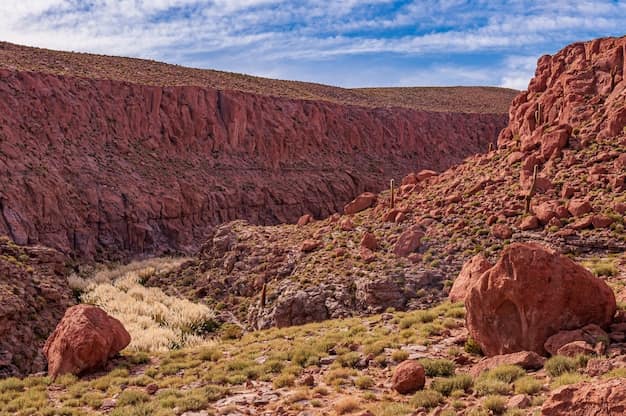
The Atacama is the driest non-polar desert in the world. Trapped between the Andes and the Pacific coastal range, some of its weather stations have recorded barely any meaningful rainfall for years at a stretch. That extreme dryness is what produces everything you have seen in photographs: Mars-like valleys of wind-carved rock and salt, vast white salt flats that crunch underfoot, and — because there is almost no humidity, almost no cloud and almost no light pollution — some of the clearest, darkest night skies on the planet. It is no accident that the world's major observatories cluster in this part of Chile.
Almost everyone bases themselves in San Pedro de Atacama, a small adobe town of dusty lanes, low mud-brick walls and tour agencies on every corner. It is not a resort town in the Dubai or Singapore sense — expect simplicity, early mornings and a lot of time in minibuses. What San Pedro gives you is proximity: Valle de la Luna, the geysers, the lagoons and the salt flats are all day trips or half-day trips from here.
Getting there from India
There is no short route. Most travellers from Gujarat fly Ahmedabad or Mumbai to Santiago de Chile with one or two stops — typically via a Gulf hub such as Dubai, Doha or Abu Dhabi, or via a European hub such as Madrid, Paris or Frankfurt. Total travel time is commonly in the region of 30 to 40 hours door to door depending on layovers. From Santiago you take a domestic flight to Calama (roughly two hours), and from Calama airport a road transfer of about an hour and a half brings you into San Pedro de Atacama.
Chile requires a visa for Indian passport holders, so start early — our Chile visa requirements for Indian passport holders page walks through the documents, and if paperwork makes you nervous, our team of visa consultants based in Surat handles the file end to end. If the whole category of tourist versus transit versus business permissions is still fuzzy, this plain-language explainer on different visa types and what each one allows is worth ten minutes of your time before you book anything.
One planning note: because you will likely transit Europe or the Gulf, check the transit rules of your connecting country too. Long-haul fares to South America swing a lot by season and booking window, and our flight booking desk in Surat can compare routings rather than just prices — sometimes a slightly costlier ticket with a civilised layover is the better buy on a journey this long.
Altitude: the thing to take seriously
This is the most important section in this guide. San Pedro de Atacama sits at roughly 2,400 metres above sea level — already higher than most Indians ever live or sleep. But the headline excursions go far higher: the El Tatio geysers sit at around 4,300 metres, and the altiplano lagoons on the Bolivian border are in a similar range. That is proper high-altitude territory, and it affects healthy, fit people without warning.
Practical habits that experienced guides in San Pedro insist on: give yourself a day or two in town before any high excursion, walk slowly and deliberately for the first 48 hours, drink far more water than feels necessary, go easy on alcohol early in the trip, and eat light. Altitude sickness — headache, nausea, breathlessness, dizziness, poor sleep — is common and usually mild, but it can become serious, and the correct response to symptoms that worsen is always to descend and get help rather than to push on.
We want to be direct here rather than reassuring: if you have any heart condition, lung condition, uncontrolled blood pressure, are pregnant, or are travelling with elderly parents or young children, speak to your doctor before you book. We are travel agents, not clinicians — we will not tell you which medicines to take or whether you are fit for 4,300 metres, and you should be wary of anyone who does. Take a proper consultation, carry your prescriptions, and make sure your travel insurance covers high-altitude activity and medical evacuation, because remote northern Chile is a long way from a large hospital.
El Tatio geysers: the coldest morning of your trip
The El Tatio field is one of the highest geyser basins in the world, and it is best seen at sunrise when the cold air makes the steam columns dramatic. That means a pickup at roughly 4 to 5 am and arrival in the dark, with temperatures that routinely sit well below freezing — minus 5 to minus 15 Celsius is normal. Almost every visitor underestimates this. Bring or rent a proper insulated jacket, thermals, gloves, a wool cap, thick socks and closed shoes. Nothing in a Surat wardrobe prepares you for it. The steam turns golden as the sun comes over the ridge, there is usually a simple hot breakfast served beside the vents, and by mid-morning you are back down in San Pedro feeling like you lived two days in one.
Valle de la Luna at sunset
The Valley of the Moon is the classic late-afternoon outing: eroded salt and clay ridges, dunes, caverns and a viewpoint where the whole range turns orange, then rose, then violet as the sun drops. It is close to town, low-effort compared to the geysers, and a good gentle option for your acclimatisation day. Go with a guide who explains the geology — the valley makes far more sense when someone tells you what the salt crust and the wind-cut fins actually are.
Lagoons, flamingos and salt flats
The Salar de Atacama is Chile's largest salt flat, and the shallow brine lagoons within it host three species of flamingo. Higher up, the altiplano lagoons — deep blue water ringed by volcanoes — are among the most photographed places in South America. A word on etiquette that matters: these are protected feeding and breeding grounds. View flamingos from the marked platforms and at a distance, stay on the paths, do not use drones, and never approach or try to make the birds take flight for a photograph. Reserve entry fees apply at several sites, and access rules can change at short notice, so check current conditions and any official travel advisories affecting your route before you finalise a day plan.
Stargazing — and the honest caveat
The Atacama's night sky is the reason many people come. Small-group astronomy tours run from San Pedro with telescopes, laser-guided constellation tours and, on good nights, views of Saturn's rings, nebulae and the Magellanic Clouds. The southern sky is unfamiliar and wonderful if you grew up under Gujarat's night sky. Here is the caveat no brochure prints clearly: stargazing tours are routinely cancelled for several nights around the full moon, because moonlight washes out everything faint. If the night sky is your priority, plan your Atacama dates around the new moon, not around your flight sale. Tours are also cancelled in the rare event of cloud — you normally get a refund or a reschedule, but confirm that policy when booking.
Sun, skin and thin air
The flip side of those clear skies is brutal daytime sun. At this altitude the atmosphere filters far less ultraviolet radiation, and the dry air means you will not feel yourself sweating. Carry high-SPF sunscreen and reapply, wear a wide-brimmed hat and proper sunglasses, use lip balm, and keep a water bottle with you at all times. Days are hot and nights are genuinely cold, often within a few hours of each other, so layers beat any single heavy garment.
Food, including vegetarian and Jain travellers
San Pedro's restaurants are small and traveller-oriented, which works in your favour: most menus include salads, grilled vegetables, soups, pasta, rice dishes, quinoa, empanadas and pizza, and staff are used to dietary requests. Pure vegetarian travellers will eat perfectly well, though the range is limited and repetitive over a week. Jain travellers and anyone strict about onion and garlic should plan carefully — carry theplas, khakhra, dry snacks, ready-to-eat packets and instant khichdi from home, and consider a room with a kettle. Learning to say *sin carne, sin pollo, sin pescado* (no meat, no chicken, no fish) removes most confusion. Bottled water is the norm; the local tap water is high in minerals and best avoided.
What it costs, roughly
Treat all of this as an approximate planning range, not a quotation — please verify current rates before budgeting, because airfares, the peso and tour prices all move. Return flights from India to Santiago typically land somewhere around ₹95,000 to ₹1,80,000 depending on season and how far ahead you book. The Santiago–Calama domestic sector is often in the ₹8,000 to ₹20,000 return range. Mid-range accommodation in San Pedro tends to run about ₹6,000 to ₹14,000 a night, with simple hostels below that and design lodges far above. Individual day tours commonly fall between ₹3,500 and ₹9,000 per person, with astronomy tours usually at the lower end and full-day altiplano trips at the higher end. Meals average roughly ₹1,200 to ₹2,500 per person per day. All told, a comfortable 5–6 day Atacama add-on for two people, excluding international airfare, often works out to somewhere around ₹1,50,000 to ₹3,00,000. Our hotel booking team in Surat can pin down real, current room rates for your dates rather than leaving you with a range.
A sensible 5–6 day plan, and what to combine it with
Day 1: arrive Calama, transfer to San Pedro, do nothing strenuous — this is your acclimatisation day. Day 2: a gentle low-altitude outing such as Valle de la Luna at sunset, plus an astronomy tour if the moon allows. Day 3: the Salar de Atacama and its flamingo lagoons. Day 4: El Tatio geysers at dawn, then rest in the afternoon. Day 5: the high altiplano lagoons, or a slower day in town. Day 6: transfer to Calama and fly out. Because you have already crossed the world, most travellers pair the Atacama with Santiago and the Chilean wine valleys, or fly south for the granite towers and trekking routes of Torres del Paine. Crossing over into the glaciers and steppe of Argentine Patagonia or continuing to the thundering waterfalls at Iguazu on the Brazil border makes a superb three-week South America itinerary. One important caution: the popular overland crossing from San Pedro to Bolivia's Uyuni salt flats takes you into a different country, and Indian passport holders need a separate Bolivian visa arranged in advance — do not assume your Chilean visa covers it.
Frequently asked questions
When is the best time to visit the Atacama? It is a year-round destination with reliably clear skies, but the two things to plan around are the moon and the so-called *invierno boliviano* — a short summer period, roughly January and February, when brief afternoon storms over the altiplano can occasionally close the geyser road. April to November is the safest window for excursions, and for Indian travellers the Diwali holidays and the December break both work well weather-wise. Always pick dates near the new moon if stargazing matters to you.
Is the Atacama safe, and is it suitable for families or older parents? San Pedro is a small, calm town with the usual small-town precautions around valuables. The real risk factor is not crime, it is altitude and remoteness. Children and older travellers can absolutely enjoy the low-altitude sights around San Pedro, but the 4,000-metre-plus excursions demand a doctor's opinion first. Build in rest days, and never let a tour schedule pressure someone who is feeling unwell.
How much Spanish do I need, and will my cards work? Basic Spanish helps a lot outside hotels — English is patchy in shops and with drivers, and a translation app downloaded for offline use is genuinely useful. International cards are widely accepted in San Pedro's hotels and larger agencies, but carry Chilean pesos in cash for small tours, tips, reserve entry fees and roadside stops; ATMs in town are few and occasionally run dry, so withdraw at Calama airport if you can.
The Atacama is a big commitment of time and money, and it is worth doing properly — with the right visa in hand, sensible pacing for the altitude and dates that give you a dark sky. Tell us what you want most, whether that is the geysers at dawn or a night under the southern stars, and we will build the routing around it. Talk to the Explera Vacations team in Surat for a personalised itinerary, or browse our curated international tour packages departing from Surat to see how an Atacama trip can fit into a wider South America journey.